
Nurses sit at the point where data, technology, and patient experience meet, and NYU Meyers faculty are using that vantage point to build tools that work in real care settings. Researchers in this area are applying large language models to deliver behavioral sleep therapy and to extract cognitive assessment data from clinical records; designing mobile applications that connect family caregivers, clinicians, hospice teams, and adult day centers caring for people living with dementia, including Spanish-speaking and Chinese American families; and building precision public health tools, including biomarker- and metabolite-based risk indices, that identify preterm birth and infant risk earlier and point toward actionable prevention. Their work extends to digital therapeutics for perinatal anxiety among pregnant people with low incomes and to trust-centered approaches that strengthen reproductive health decision-making and research participation among Black women experiencing infertility. Importantly, many of these tools are co-designed with the communities they are meant to serve and tested for feasibility, usability, and acceptability before scale-up. Together, this work aims to make personalized, evidence-based care more accessible, particularly for groups historically underserved by digital health and precision medicine.
Explore recent publications, peer-reviewed articles, books, and ongoing research projects from our faculty, listed below in
alphabetical order.
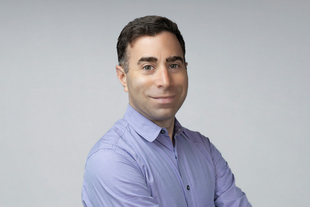
Abraham A. Brody, PhD, RN
Dr. Brody has developed and evaluated technology-supported approaches to improving dementia and serious illness care. His work includes Aliviado Dementia Care, an evidence-based program that equips home health and hospice teams with tools and training to improve symptom management, strengthen caregiver support, and deliver more person-centered care for individuals living with dementia. His team has extended the program with mobile apps for hospice clinicians and, most recently, for family care partners, and is scaling the model to advance health equity in hospice care with support from the Hillman Foundation. He is also testing whether large language models can extract cognitive assessment data from clinical notes to support dementia research and care.
Recent Publications and Presentations
- An App for Care Partners of Persons Living With Dementia (Aliviado Caregiving): Human-Centered Design Study. Fernandez Cajavilca M, et al. JMIR Formative Research, 2026. Clinicians, care partners, and a community advisory board co-designed an app supporting nonpharmacological management of dementia-related behavioral symptoms, with users prioritizing Spanish-language support and self-monitoring.
- Evaluating Large Language Models in Extracting Cognitive Exam Dates and Scores. Zhang H, et al. PLOS Digital Health, 2024. GPT-4 extracted MMSE and CDR scores from clinical notes more accurately than LlaMA-2.
- Supporting End-of-Life in Dementia Care. Keynote, University of Minnesota CHAI Speaker Series, October 2025.
In the News
- New Palliative Care Research Consortium to Tackle the Field's Toughest Problems (Hospice News, August 2025)
Labs, Programs, and Websites:
Aliviado Dementia Care · Aliviado at NYU Meyers · Scaling Aliviado Dementia Care Project · NYU Meyers Faculty Profile
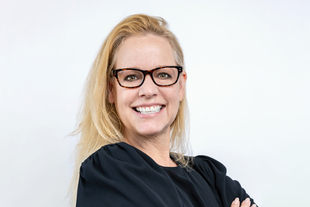
Laura Jelliffe-Pawlowski, PhD, MS
Dr. Jelliffe-Pawlowski is advancing precision public health approaches that integrate biomolecular discoveries, population data, and predictive analytics to improve maternal and infant health. Her team developed the Preterm Birth Actionable Risk Index (PTB-ARIx), which focuses risk prediction on modifiable factors that have evidence-based interventions, and has shown that routine newborn screening metabolites may help identify infants at elevated risk of sudden infant death syndrome. She is also evaluating digital interventions for perinatal mental health, including the THRIVE randomized trial of a digital cognitive behavioral therapy app for anxiety among pregnant people with low incomes. She is an inventor on multiple awarded and pending patents related to the prediction and treatment of preterm birth, preeclampsia, and outcomes of prematurity. She leads the International HOPE Consortium.
Recent Publications and Presentations
- "Actionable" Risk for Preterm Birth: Patterns and Prediction in California Singleton Births 2016-2020. Jelliffe-Pawlowski LL, et al. BMC Pregnancy and Childbirth, 2026. A composite index of modifiable, intervention-ready risk factors was strongly associated with preterm birth across California births.
- Early Newborn Metabolic Patterning and Sudden Infant Death Syndrome. Oltman SP, et al. JAMA Pediatrics, 2024. Metabolites measured during routine newborn screening distinguished infants who later died of SIDS from surviving infants.
- Transforming Health and Reducing Perinatal Anxiety Through Virtual Engagement (THRIVE): Protocol for a Randomized Controlled Trial. Ponting C, et al. JMIR Research Protocols, 2025. Describes a randomized trial of a digital CBT app for perinatal anxiety among pregnant people with low incomes.
- The PTB-AI Accelerator Framework: From Rapid Evidence Synthesis to an Actionable, Immune-Informed Risk Index and a Trial-Stage Digital Therapeutic. Redefining Healthcare in the Age of AI, Paris, September 2026. Describes a three-phase framework linking AI-assisted evidence synthesis, an immune-informed preterm birth risk index validated with first-trimester cytokine data, and Natally, a trial-stage digital therapeutic.
In the News
- NYU-Led Research Team Develops Actionable Tool to Assess Risk for Premature Births (NYU Meyers News, November 2025)
- Existing Newborn Screenings May Be Able to Identify Risk of Sudden Infant Death Syndrome, Study Finds (NBC News, September 2024)
Labs, Programs, and Websites: International HOPE Consortium · NYU Meyers Faculty Profile
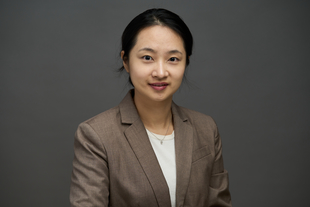
Xiaoyue (Sherry) Liu, PhD, RN
Dr. Liu has developed a generative AI-powered chatbot that delivers core components of cognitive behavioral therapy for insomnia (CBT-I) through a familiar messaging app. Her research tests whether large language models can make behavioral sleep interventions more accessible and engaging, particularly for adults experiencing sleep disturbances and cardiovascular risk. An initial study found high user ratings and improvements in self-reported sleep, and an NYU-funded pilot trial of the intervention begins in 2026.
Recent Publications and Presentations
- Assessing the Feasibility, Usability, Acceptability, and Efficacy of an AI Chatbot for Sleep Promotion: Quasi-Experimental Study. Liu X, Liu J. JMIR Formative Research, 2026. Adults with poor sleep rated a two-week, LLM-based CBT-I chatbot highly and reported improved sleep; a single-group design limits causal conclusions.
- Sleep Hygiene, Sleep Quality, and Psychological Stress Among Adults With Cardiovascular Risk. Liu X, et al. Research in Nursing & Health, 2025. Among adults with hypertension and type 2 diabetes, 78% reported poor sleep quality, which partly explained the link between poor sleep hygiene and stress.
- Revolutionizing Sleep Health Through Artificial Intelligence: Testing an AI-Based Behavioral Sleep Intervention. Seminar, NYU Meyers Future of Digital Health Series, March 2026.
Labs, Programs, and Websites: Pilot Testing of an AI-Powered Sleep Intervention · NYU Meyers Faculty Profile

Chenjuan Ma, PhD, RN
Dr. Ma is designing an AI-powered mobile application to bridge communication gaps in home dementia care for Chinese American families. Working with home healthcare professionals and family caregivers, her team is identifying the features needed to deliver culturally and linguistically tailored support that strengthens communication and care coordination. Her broader research examines staffing, telehealth, care quality, and racial and ethnic disparities in access to high-quality home health care.
Recent Publications and Presentations
- Racial and Ethnic Disparities in Accessing High-Quality Home Health Care Among Older Adults With and Without Dementia. Ma C, Wu B, Brody AA. Journal of the American Medical Directors Association, 2025.
- Telehealth Use in Home Health Care in the US: A Literature Review. Chen X, Li R, Ma C. Journal of Telemedicine and Telecare, 2025.
Labs, Programs, and Websites: Mobile App for Culturally and Linguistically Tailored Home Dementia Care Project · NYU Meyers Faculty Profile
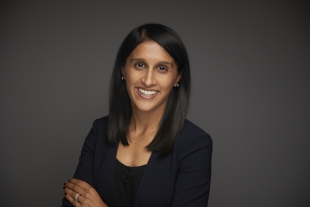
Tina Sadarangani, PhD, RN
Dr. Sadarangani has developed CareMobi, a free mobile application that improves communication and care coordination among family caregivers, primary care providers, and adult day health centers serving people living with dementia. Her team has demonstrated strong usability and acceptability among caregivers and clinicians and has met feasibility benchmarks in adult day center settings, while identifying integration with electronic health records as a key next step. A web version for agency care coordinators is now in development to support broader adoption.
Recent Publications and Presentations
- CareMobi to Improve Communication Between Caregivers and Adult Day Centers for People With Dementia: Mixed Methods Feasibility Study. Sadarangani T, et al. JMIR Aging, 2026. The app met preset feasibility targets among family caregivers and staff at two adult day centers; a predominantly non-Hispanic White sample limits generalizability.
- A Mixed-Methods Examination of the Acceptability of CareMOBI, a Dementia-Focused mHealth App, Among Primary Care Providers. Ali Z, et al. Digital Health, 2024. Providers rated the app favorably overall; workflow fit scored lowest due to lack of EHR integration.
- Exploring Family Caregivers' Likelihood of Adopting a Novel App That Connects Care Teams of Persons Living With Dementia. Fernandez Cajavilca M, et al. Sage Open Aging, 2024. Family caregivers reported high perceived value and ease of use.
- Strategies to Implement ePCTs in Home and Community-Based Settings: Issues and Successes in Assisted Living and Adult Day Centers. Recorded Grand Rounds with slides, NIA IMPACT Collaboratory, January 2024.
In the News
- A New App Bridges Gaps Between Doctors and Caregivers (Spectrum News, February 2024)
- Managing Your Aging Parents' Health? There's an App for That (NYU Meyers News, September 2023)
Labs, Programs, and Websites: CareMobi · CareMobi Project · NYU Meyers Faculty Profile